
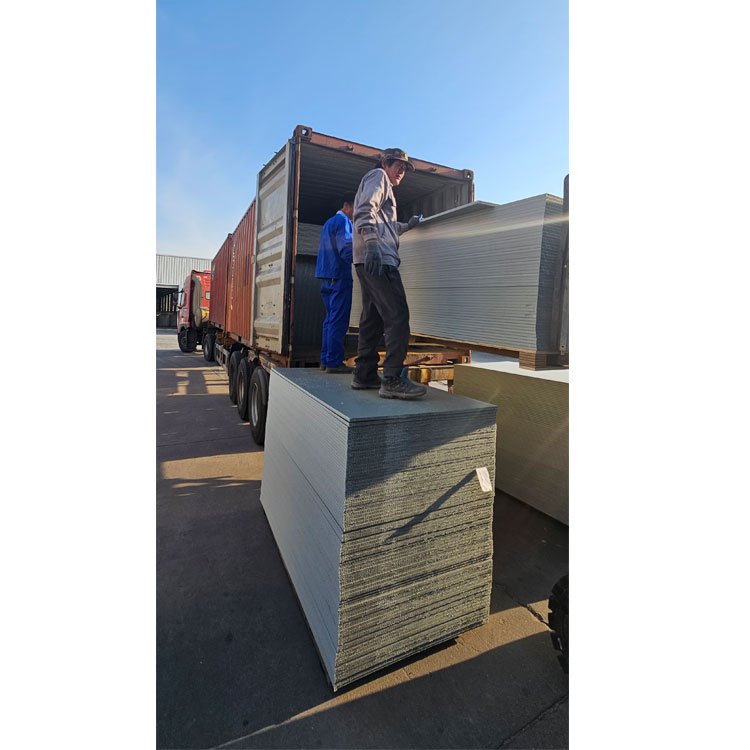
Built for Wet Jobsites: Why Plastic Wall Formwork Performs Better in Humid Construction Conditions
On many construction sites, the real challenge is not only pouring concrete accurately, but keeping the formwork stable when the weather refuses to cooperate. In coastal regions, rainy seasons, river projects, basements, tunnels, and other damp environments, traditional wooden formwork often absorbs moisture, swells, warps, or loses surface smoothness after repeated use. Steel formwork is stronger, but it is heavy, harder to handle, and may require more care against rust.
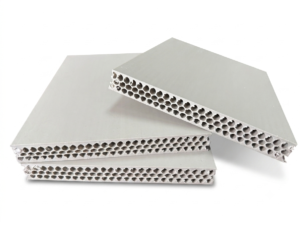
This is where plastic wall formwork shows its practical value. Made from polypropylene and designed with a hollow ribbed structure, it does not absorb water like wood and does not corrode like metal. For projects where humidity, mud, and frequent washing are part of daily work, plastic wall formwork offers a cleaner, more stable, and more economical solution.
1. What Makes Humid Jobsites Difficult for Formwork?
Wooden formwork has been used for decades because it is easy to cut and widely available. However, once exposed to rain or wet concrete for long periods, wood begins to change. Its edges become soft, the surface may peel, and panels can bend slightly out of shape. These small changes often lead to bigger problems during pouring: uneven wall surfaces, slurry leakage, more repair work, and shorter reuse life.
In humid regions, the issue becomes even more obvious. A wooden panel that performs well on the first few uses may quickly lose accuracy after being stored outdoors or used during continuous rainy days. Workers may need to add extra bracing, repair damaged edges, or replace sheets earlier than expected. Over time, these hidden costs quietly increase the total project budget.
Steel formwork avoids water absorption, but it brings another set of challenges. It is heavy, requires more labor or lifting equipment, and may develop rust if not properly maintained. For small and medium-sized projects, especially where fast movement and flexible adjustment are needed, steel is not always the most convenient choice.
2. The Water-Resistant Advantage of Plastic Wall Formwork
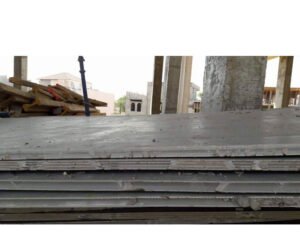
The biggest difference with plastic wall formwork is simple: it does not absorb water. Polypropylene has a closed, non-porous surface, so rainwater and cement slurry cannot penetrate into the panel. Even after repeated contact with wet concrete, the sheet keeps its shape better than ordinary plywood.
This brings several direct benefits on site:
Stable dimensions: Plastic wall formwork does not swell or shrink significantly after getting wet, helping maintain wall accuracy during repeated use.
Cleaner concrete surface: The smooth plastic surface helps reduce sticking, making demolding easier and leaving a flatter concrete finish.
Lower maintenance work: After use, workers can wash the panel with water. There is no need for complicated drying or surface repair.
Longer storage tolerance: Even if panels are temporarily stored in humid air or light rain, they are less likely to deform compared with wood.
For rainy-season construction, this can make a real difference. Instead of stopping work to protect wooden panels from moisture, crews can keep materials moving with fewer interruptions.
3. Easier Demolding and Faster Turnaround
In wet construction environments, demolding is often more troublesome than expected. Wooden formwork may bond tightly with concrete if the surface becomes rough or damaged. Once that happens, workers need more force to remove the panels, which can damage both the formwork and the concrete edge.
Plastic wall formwork performs better in this part of the process. Its smooth surface has lower adhesion to concrete, so panels can often be removed more cleanly. This helps speed up the cycle from pouring to stripping, cleaning, and reinstalling.
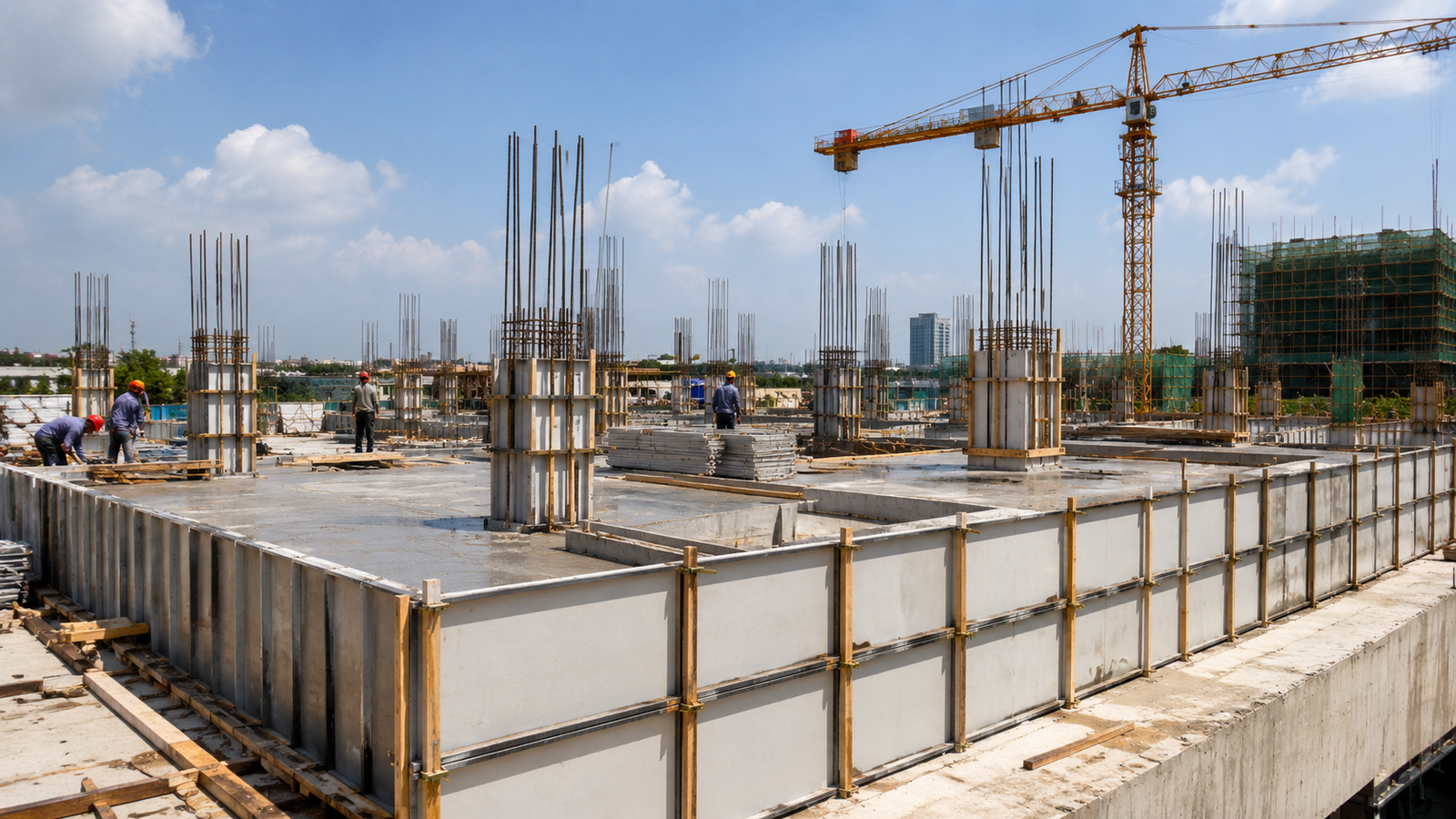
For projects with repeated wall sections, such as residential basements, retaining walls, drainage channels, underground structures, and water treatment facilities, this faster turnover is especially valuable. A formwork system that can be cleaned quickly and reused without long drying time keeps the whole schedule more predictable.
4. Better Durability in Harsh Site Conditions
Damp jobsites are rarely clean jobsites. Panels may be dragged through mud, exposed to cement slurry, washed repeatedly, or stacked outdoors between pours. Under these conditions, low-quality plywood deteriorates quickly. Corners break, surfaces separate, and nail holes expand after multiple uses.
High-quality plastic wall formwork is designed to handle this rougher environment. The hollow ribbed structure reduces weight while maintaining strength, and the polypropylene material offers good resistance to impact, acids, alkalis, and general weather exposure.
This does not mean plastic formwork can be used carelessly. Proper support spacing, correct fastening, and reasonable storage are still important. But compared with wood, it is much less sensitive to water damage. For contractors working in rainy or humid areas, that reliability can reduce both material waste and daily site frustration.
5. Reuse Value and Environmental Benefits
One reason more contractors are switching to plastic wall formwork is its balance between reuse life and cost. While the initial purchase price may be higher than ordinary wooden formwork, plastic panels can usually be reused many more times when handled properly. This lowers the cost per use and reduces the need for frequent replacement.
There is also less construction waste. Damaged wooden formwork often ends up as scrap after only a limited number of cycles. Plastic wall formwork, on the other hand, can be recycled after its service life. For projects near rivers, reservoirs, coastal areas, or environmentally sensitive regions, reducing waste and avoiding large amounts of discarded wood is a practical advantage.
The key is choosing the right product. Buyers should look for panels with good toughness, stable thickness, strong rib structure, and anti-aging additives. Cheap panels may look similar at first, but they can become brittle, bend under pressure, or lose performance after outdoor exposure.
In wet and humid construction conditions, formwork is tested every day by water, mud, concrete, and time. Plastic wall formwork offers a practical answer: lighter handling, stronger moisture resistance, easier cleaning, and better reuse value. For contractors who want fewer delays and more predictable site performance, it is becoming a smart alternative to traditional wood and heavy steel systems.