
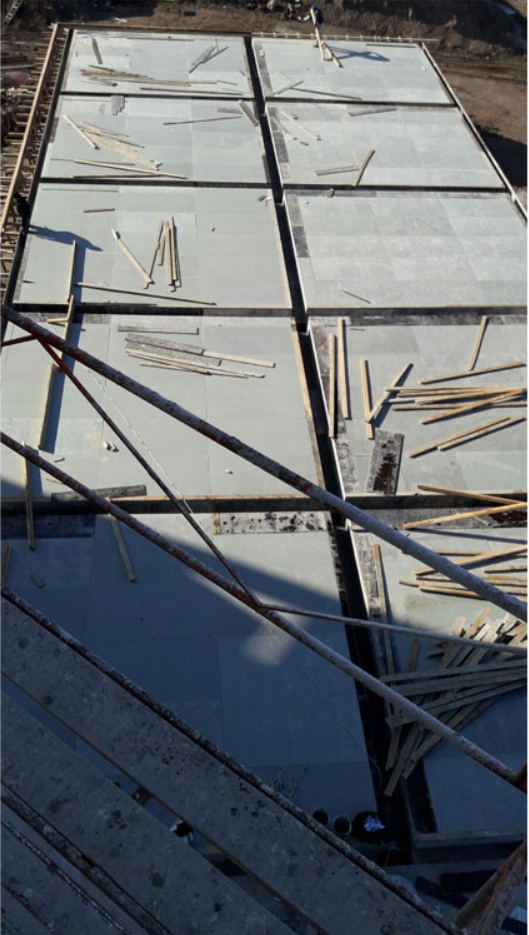
In modern construction, controlling costs is no longer only about reducing the initial purchase price of materials. Contractors and developers are paying more attention to the total cost of ownership (TCO), including durability, labor efficiency, maintenance expenses, waste management, and environmental impact.
Traditional timber formwork has been widely used for decades because of its low initial cost and easy availability. However, when considering its short service life, frequent replacement, water damage, and disposal costs, the actual cost during the entire construction cycle can be much higher than expected.
Modular plastic formwork provides a more efficient solution. With high durability, repeated usability, and improved construction efficiency, it helps contractors reduce both direct and hidden costs throughout the project lifecycle.
1. Moving Beyond Initial Price: Understanding the Real Cost of Formwork
One of the biggest mistakes in formwork selection is focusing only on the purchase price. The cheaper option is not always the most economical choice.
Traditional plywood formwork usually has a limited number of reuse cycles. After several concrete pours, exposure to moisture, chemicals, and repeated handling can cause swelling, cracking, edge damage, and loss of structural performance. As a result, contractors must frequently purchase replacement panels and spend additional money on repairs and maintenance.
The real cost of formwork should be calculated based on:
- Purchase cost per panel
- Number of successful reuse cycles
- Labor required for installation and replacement
- Maintenance and repair expenses
- Waste disposal costs
Modular plastic formwork changes this calculation completely.
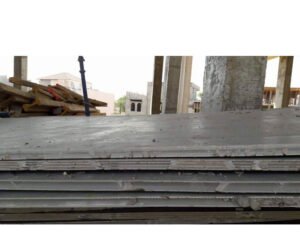
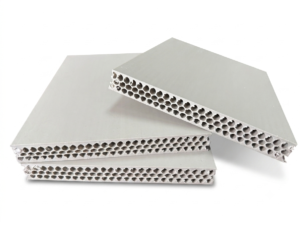
Manufactured from high-strength polypropylene (PP) with a hollow structural design, plastic formwork combines lightweight performance with excellent mechanical strength. Unlike wood, it has extremely low water absorption, preventing swelling, deformation, and loss of accuracy even in humid construction environments.
Its resistance to weather conditions, moisture, and chemical corrosion allows the panels to maintain stable performance throughout multiple projects. Depending on working conditions and proper maintenance, quality modular plastic formwork can typically achieve 30–50 or more reuse cycles, significantly lowering the cost per application.
2. Higher Reuse Cycles Create Long-Term Cost Advantages
The most important factor in evaluating formwork efficiency is not the unit price — it is the cost per use.
For example:
A plywood panel costing $80 and reused 5 times results in a cost of approximately $16 per use.
A modular plastic formwork panel costing $240 and reused 40 times results in a cost of only $6 per use.
Although plastic formwork requires a higher initial investment, its extended service life creates a much lower cost over the entire construction process.
In addition, the durability of plastic formwork reduces the need for large backup inventories. Construction companies using traditional timber formwork often need additional panels available because damaged boards must constantly be replaced. With reusable plastic formwork, replacement demand is greatly reduced, helping companies optimize material management and cash flow.
For large-scale projects such as residential buildings, infrastructure projects, and commercial developments, these savings can become substantial.
3. Reducing Construction Waste and Supporting Sustainable Building Practices
Sustainability has become an important consideration in the global construction industry. Many contractors are now looking for solutions that reduce material waste and support greener building practices.
Traditional timber formwork creates significant waste during construction. Damaged plywood panels often cannot be reused and eventually become construction waste that requires transportation and disposal.
Modular plastic formwork provides several environmental advantages:
Less Material Waste
Because plastic formwork can be reused many times, fewer new panels need to be produced and transported for every project. This reduces material consumption and lowers construction waste generation.
Better Performance in Different Weather Conditions
Rain, humidity, and temperature changes can quickly damage wooden formwork. Plastic formwork does not absorb water and maintains its shape in challenging environments, reducing weather-related losses.
Recyclable Material at End of Service Life
Unlike discarded plywood, which has limited recycling value, PP plastic formwork can be collected, processed, and recycled after reaching the end of its service life. This creates additional residual value and supports a circular economy approach in construction.
4. Lower Labor Costs Through Faster Installation and Easier Handling
Labor costs continue to rise in many construction markets, while skilled workers are becoming increasingly difficult to find. Improving installation efficiency has become a key factor in project profitability.
Modular plastic formwork offers advantages in handling and installation:
- Lightweight design allows easier transportation and positioning
- Workers can move panels without heavy lifting equipment
- Simple cutting and connection methods reduce preparation time
- Smooth surfaces improve concrete finishing quality
Compared with traditional timber formwork, plastic panels require less adjustment, fewer repairs, and less cleaning work after each concrete pour.
In many construction applications, improved handling efficiency can increase daily installation productivity by 30–50%, helping contractors shorten project schedules and reduce labor expenses.
Faster construction progress also reduces indirect costs, including equipment rental, site management expenses, and project delays.
5. Better Concrete Finishing and Reduced Secondary Costs
Another hidden advantage of modular plastic formwork is the quality of the concrete surface.
Traditional wood formwork often creates uneven surfaces due to panel deformation, moisture absorption, or damaged edges. This may require additional plastering, patching, and finishing work after formwork removal.
The smooth surface of plastic formwork helps create cleaner concrete finishes while reducing concrete adhesion. Contractors can spend less time on surface repair and reduce the consumption of additional finishing materials.
For projects where appearance and construction speed are important, such as residential buildings, commercial facilities, and precast applications, this advantage can significantly improve overall efficiency.
Conclusion: The Smart Choice for Future Construction
The value of modular plastic formwork is not simply replacing wood with plastic. Its real advantage comes from reducing the total cost throughout the construction lifecycle.
By combining:
- High reuse cycles
- Lower cost per application
- Reduced material waste
- Easier installation
- Lower labor requirements
- Recyclable value
modular plastic formwork provides a more economical and sustainable solution for modern construction projects.
As the construction industry continues to focus on efficiency, sustainability, and cost control, reusable plastic formwork is becoming an increasingly important alternative to traditional formwork systems.