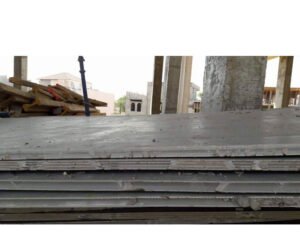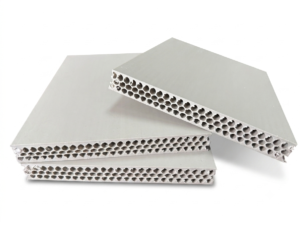
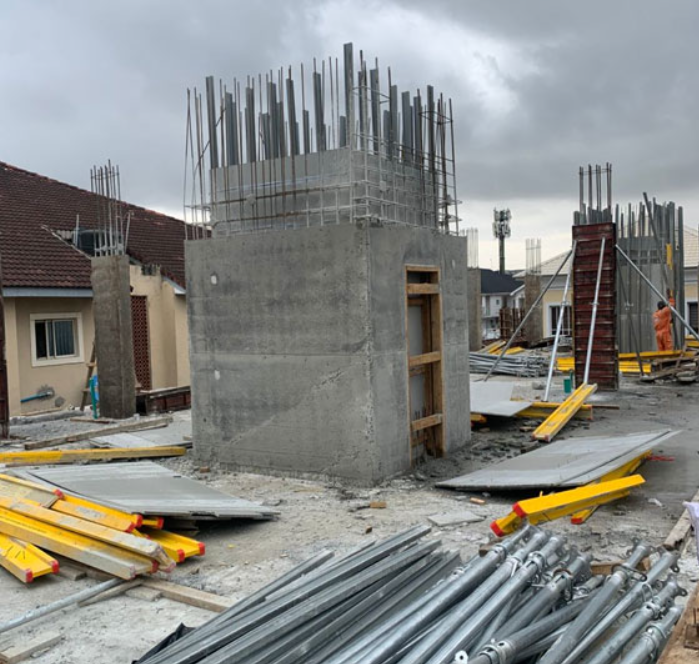

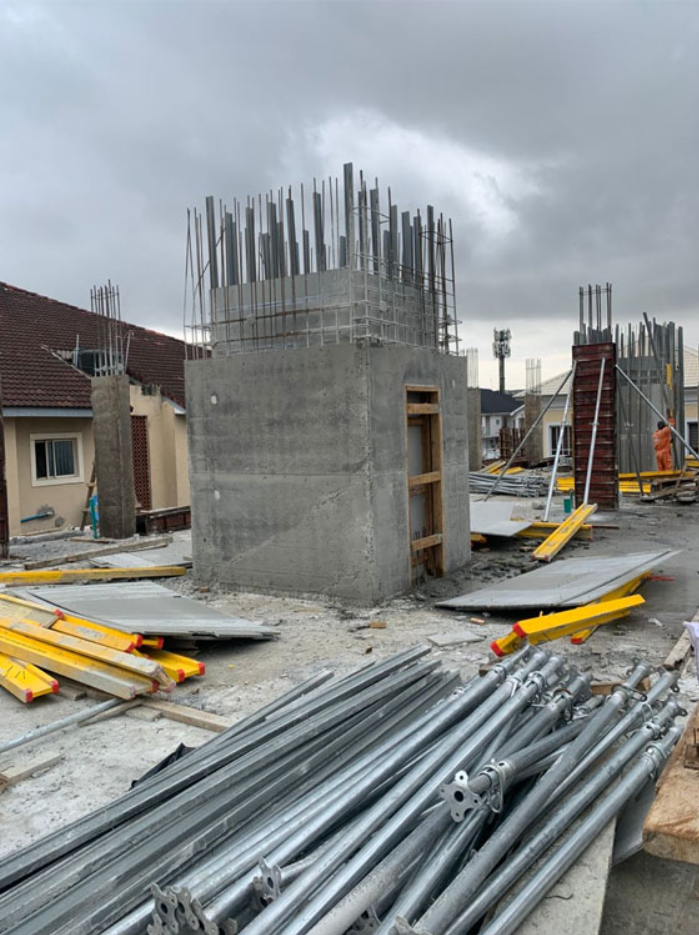
“Smooth concrete finish” is not a complete purchasing requirement. One buyer may mean a uniform surface suitable for direct painting. Another may care mainly about aligned panel joints and tie holes. A third may accept minor surface variation in a service area but require a controlled architectural appearance in a lobby. If the RFQ uses one vague phrase for all three, suppliers cannot quote the same scope and the site team has no objective basis for approval.
Concrete finish requirements for plastic formwork should define the intended surface, the reference standard or approved mockup, visible features, inspection method, repair rules, and responsibility for each contributing process. The panel is only the concrete-contact face. Joints, supports, ties, release practice, concrete mixture, placement, vibration, stripping, curing, and repairs also influence the final surface.
This guide helps a contractor or procurement team convert appearance expectations into an RFQ and benchmark-section plan. It does not promise that one panel material will deliver a finish independently of the complete system and construction method.
First Define Where the Finish Requirement Applies
Do not attach the same finish label to an entire project without identifying the surfaces. Prepare a marked drawing or finish schedule that divides the work by visibility and intended treatment. Typical zones include permanently exposed walls, surfaces receiving paint or coating, concealed structural areas, plant rooms, façades, columns, soffits, stairs, and locations with a special joint or tie-hole pattern.
For every zone, the RFQ should state:
- drawing, grid, elevation, or room reference;
- whether the surface remains as-cast or receives a later treatment;
- the specified formed-surface category, project specification, or approved reference area;
- requirements for texture, panel-joint pattern, offsets, tie-hole layout, reveals, chamfers, corners, and inserts;
- how surface voids, grout leakage, fins, honeycombing, staining, color variation, and repairs will be evaluated;
- the inspection distance, lighting, timing, measuring tools, and approving parties;
- whether a full-scale mockup or first-work benchmark is required;
- what happens when the result differs from the approved reference.
ACI guidance for formed concrete surfaces is useful because it treats appearance as a team and specification problem. It addresses form facing, joints, surface voids, texture, mockups, construction, evaluation, and roles rather than assigning the result to a single material.
Five Failure Modes Hidden by the Phrase “Smooth Finish”
1. The reference surface is never agreed
Condition: the owner, contractor, and supplier use photographs or adjectives without an approved physical reference and inspection method. System response: each party applies a different expectation to normal variation. Buyer impact: quotations are not comparable, approval becomes subjective, and repair or rejection disputes begin after concrete has already been placed.
The RFQ should identify the governing project document and require a mockup or first-work benchmark where appearance is commercially important. Record the materials, panel condition, joint method, concrete, release procedure, placement, vibration, stripping, curing, viewing conditions, and accepted repair examples used for that benchmark.
2. A clean panel face is approved while joints are ignored
Condition: procurement inspects only a flat sample sheet. System response: site-cut edges, panel interfaces, corners, ties, penetrations, or damaged connections create openings or local steps. Buyer impact: the concrete can show fins, grout loss, joint lines, offsets, or localized defects even though the panel face itself was acceptable.
Require an assembled sample that represents the intended joint, tie, corner, and cut-edge details. For important exposed work, show the proposed panel and tie pattern on a formed-surface appearance drawing rather than allowing the pattern to emerge from field convenience.
3. The same panel condition is assumed for every reuse
Condition: the approved mockup uses clean, identified panels, but later pours use pieces with face damage, distorted edges, enlarged holes, residue, or uncontrolled repairs. Panel response: imperfections and inconsistent interfaces are transferred to or influence the formed surface. Buyer impact: later areas no longer match the benchmark and the parties dispute whether the material, handling, cleaning, or acceptance process changed.
Define inspection and disposition between uses. The site record should identify which surface zones require benchmark-level panels and which panel defects trigger hold, repair review, downgrade, or removal. Do not substitute a promised reuse number for condition-based inspection.
4. Concrete operations are excluded from the finish discussion
Condition: the RFQ focuses on facing material but does not coordinate mixture consistency, placement route, lift sequence, rate, vibration, congestion, or access. System response: trapped air, segregation, incomplete consolidation, leakage, local pressure, or form movement can alter the surface. Buyer impact: voids, honeycombing, cold-joint effects, offsets, or repair work may be blamed on the panel without evidence.
The concrete contractor and qualified formwork team must define and control these operations. OSHA requires formwork to be designed, fabricated, erected, supported, braced, and maintained for reasonably anticipated vertical and lateral loads. A finish RFQ cannot weaken that engineering and safety responsibility.
5. Repair expectations are decided after defects appear
Condition: the contract does not define which visible effects are acceptable, repairable, or cause for review. System response: crews patch surfaces using different materials, tools, colors, and textures. Buyer impact: the repair becomes more visually prominent than the original issue, and acceptance is delayed.
Include representative tie-hole treatment and permitted repair procedures in the mockup. State who proposes, approves, performs, records, and accepts a repair. Structural or durability-related defects require the project’s engineering process; an appearance checklist is not a structural disposition.
Concrete Finish RFQ Schedule
| RFQ field | Buyer input | Supplier/contractor evidence | Approval point |
|---|---|---|---|
| Surface zones | Marked drawings, visibility, later treatment, and governing specification | Zone-by-zone scope confirmation and exclusions | No quotation comparison until all important surfaces are classified |
| Facing material | Required panel type, dimensions, texture expectation, color sensitivity, and reuse condition | Product identification, sample, dimensional inspection method, face/edge acceptance, handling and cleaning guidance | Approve the traceable sample, not a generic photograph |
| Appearance layout | Joint, tie-hole, reveal, corner, opening, and insert requirements | Proposed form-facing layout and difficult-detail drawings | Design team approves the visual pattern before fabrication or cutting |
| Complete formwork system | Geometry, concrete, placement concept, access, loads, tolerances, and responsible designer | System drawings, supports, bracing, ties, backing, joints, and inspection plan from the responsible team | Qualified project personnel authorize erection and pour readiness |
| Mockup or benchmark | Location, size, representative details, viewing conditions, approval team, and acceptance criteria | Material/batch record, method statement, pre-pour checklist, photographs, and stripped-surface record | Written pass, revise-and-repeat, or reject decision before repetitive work |
| Repairs and deviations | Permitted treatments, sample repairs, notification threshold, and structural review route | Defect map, cause review, repair proposal, materials, method, and final record | No unapproved cosmetic repair to a controlled reference surface |
Separate the Responsibilities That Produce the Surface
A clear responsibility matrix prevents a finish problem from being assigned automatically to the panel supplier. The project contract remains controlling, but a practical matrix can identify the following roles:
| Decision or control | Typical lead | Required record |
|---|---|---|
| Finish category, visible features, viewing and acceptance criteria | Owner/design professional | Specification, finish schedule, appearance drawing, approved mockup |
| Panel identification, sample, dimensions, face and edge information | Panel supplier | Product data, sample ID, inspection method, packing and batch record |
| Formwork design, supports, bracing, ties, backing, joints, erection and inspection | Qualified contractor/formwork team | Approved drawings, calculations where required, pre-pour inspection |
| Concrete mixture, delivery consistency, placement and consolidation | Concrete contractor and responsible project team | Approved mixture information, delivery and placement records, method statement |
| Stripping timing, curing, protection and repair | Contractor under project requirements | Authorization, strength basis where required, inspection and repair record |
| Final acceptance or deviation disposition | Named contract authority | Inspection result, comparison to reference, approved disposition |
Buyers reviewing PG FORMWORK product options, the plastic formwork category, or a representative hollow plastic formwork page should use supplier information to prepare the panel portion of this matrix. The project team still controls the complete system and acceptance method.
How to Approve a Mockup or First-Work Benchmark
The benchmark should represent the real work, not the easiest flat panel. Include relevant joints, ties, corners, openings, reveals, cut pieces, reinforcement congestion, placement access, and proposed repair treatments. Use the intended panel condition and the actual project process as far as practicable.
Before placement, record:
- panel product, sample or batch identity, orientation, face condition, edges, repairs, and release procedure;
- joint, tie, backing, support, bracing, corner, opening, insert, and sealing details;
- line, level, dimensions, cleanliness, access, and pre-pour approval;
- concrete identification, planned placement sequence, consolidation method, responsible crew, and stop-work authority.
After stripping at the project-authorized time, protect the reference area and inspect it under the agreed conditions. Record the overall impression and specific locations of joint effects, offsets, tie holes, voids, honeycombing, fins, leakage, staining, texture or color variation, edge damage, and repairs. The approval should identify which combination of materials and method it represents.
A signed benchmark is not a guarantee that later work will be identical. It is a controlled reference for deciding whether the process remains comparable and whether observed variation is acceptable under the contract.
Receiving and Reuse Controls for Finish-Sensitive Panels
At delivery, reconcile bundles with the approved product and sample. Check labels, quantities, face and edge condition, dimensions under the agreed method, packing damage, contamination, and traceability. Isolate exceptions before they enter the benchmark stock.
Between pours, inspect panels against the finish-zone requirements. Residue, scratches, local deformation, edge damage, uncontrolled holes, incompatible repair material, or unreadable IDs may matter more on a permanently exposed surface than on concealed work. Define whether a piece is accepted for the same zone, held for review, repaired by an approved method, reassigned, or removed.
This condition-based approach is more defensible than assuming every panel will provide the same appearance for a fixed number of uses.
Frequently Asked Questions
Does plastic formwork automatically produce an architectural concrete finish?
No. Form-facing condition matters, but joints, ties, supports, concrete, placement, vibration, stripping, curing, protection, and repairs also affect the result. Architectural or exposed work needs project-specific requirements and usually a controlled reference.
What is wrong with specifying only “smooth finish”?
It does not define texture, joint and tie-hole appearance, voids, offsets, color variation, viewing conditions, repairs, mockups, or acceptance authority. Different bidders can price different expectations under the same phrase.
Should the panel supplier guarantee the final concrete surface?
The supplier can document the panel product, sample, dimensions, condition, handling, and agreed limitations. The final surface depends on the complete project system and construction process, so responsibilities should be divided in the RFQ and contract.
When is a mockup useful?
Use one when appearance affects acceptance, cost, repetitive work, or stakeholder expectations. It is especially useful for exposed surfaces, planned joint and tie patterns, special details, and agreed repair treatments.
What should be sent with a plastic formwork finish inquiry?
Send marked drawings, finish zones, governing specifications, intended later treatment, joint and tie layout, sample or mockup requirements, quantities, panel sizes, reuse plan, inspection method, delivery sequence, and the responsibility matrix.
Send PLASGRAND a Finish-Ready Inquiry
To discuss concrete finish requirements for plastic formwork, contact PG FORMWORK with the marked finish schedule, drawings, panel sizes, quantities, joint and tie layout, sample requirements, delivery stages, and receiving criteria. PLASGRAND can respond to the product and sample scope while your design and construction team defines the complete formwork system, concrete operation, mockup, and acceptance process.
More buyer and application guidance is available in the PG FORMWORK news section.
References and Engineering Boundary
- ACI PRC-347.3-13(21) — Guide to Formed Concrete Surfaces
- ACI 347R-14 — Guide to Formwork for Concrete
- OSHA 29 CFR 1926.703 — Requirements for cast-in-place concrete
These references support measurable finish descriptions, coordinated responsibilities, mockup and evaluation practices, and the need for a complete formwork system capable of supporting anticipated loads. Project specifications, applicable codes, approved drawings, concrete conditions, and qualified decisions remain controlling.