
On many building projects, wall finishing costs do not begin after plastering starts. They begin much earlier, at the formwork stage. If the formwork surface is uneven, swollen, damaged, or poorly joined, those defects are directly transferred to the concrete wall. Once the formwork is removed, workers often have to spend extra time applying thick mortar layers, correcting local bumps, filling depressions, and preparing the surface for putty or paint.
This is why more contractors are paying attention to PLASGRAND reusable plastic formwork. As the product brand of PG FORMWORK, PLASGRAND focuses on durable plastic formwork solutions for concrete construction. Compared with traditional plywood or heavy steel panels, it provides a smoother and more stable contact surface for concrete. By improving the wall surface at the forming stage, PLASGRAND reusable plastic formwork helps reduce the need for secondary plastering and repeated repair work.
1. Why Wall Flatness Depends on the Formwork
Concrete itself follows the shape of the formwork. If the panel is flat, properly supported, and tightly connected, the finished wall will usually have better surface quality. If the panel is warped, water-damaged, or uneven at the joints, the concrete surface will show the same problems.
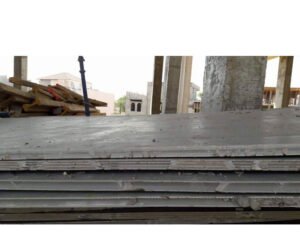
Traditional wooden formwork is especially sensitive to moisture. After several uses, plywood may absorb water, swell at the edges, bend in the middle, or peel on the surface. These changes may look small, but even a few millimeters of unevenness can create visible defects after the concrete is poured.
Steel formwork has better rigidity, but it is heavy and less convenient for frequent handling. Joint lines, dents, and installation errors can also affect the final surface. In many projects, these imperfections are accepted as normal, and workers later cover them with a thicker mortar layer.
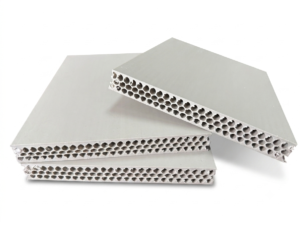
PLASGRAND reusable plastic formwork changes this process by improving the surface quality at the source. Its smooth polypropylene surface does not absorb water easily, and the panel is less likely to swell or deform during normal use. This allows the concrete wall to come out cleaner, flatter, and easier to finish.
2. Reducing the Need for Thick Leveling Mortar
In conventional construction, plastering is often used to correct formwork-related defects. When the wall surface has local height differences, workers cannot simply apply a thin finishing layer. They need to build up a thicker layer of cement mortar to cover uneven areas and create a flat reference plane.
This increases material consumption quickly. A few extra millimeters of mortar may not sound like much, but across hundreds or thousands of square meters of wall area, it becomes a large amount of cement, sand, water, labor, and transport cost.
With PLASGRAND reusable plastic formwork, the concrete surface is generally smoother after demolding. The wall may still need finishing depending on project standards, but the required layer can often be thinner. Instead of using mortar to correct major unevenness, workers can focus on fine surface finishing.
This shift is important. It means the jobsite moves from “repair after pouring” to “accurate forming before finishing.” The better the wall comes out of the formwork, the less material is needed afterward.
3. Cleaner Demolding Means Less Surface Repair
Another advantage of PLASGRAND reusable plastic formwork is easier demolding. The smooth plastic surface has lower adhesion to concrete than rough or damaged plywood. When panels are removed, the wall surface is less likely to suffer from tearing, sticking, edge damage, or surface scars.
This helps reduce common finishing problems such as:
Local patching: Small damaged areas often need to be repaired before plastering or putty work can begin.
Uneven surface texture: Rough surfaces may require extra material to cover and smooth.
Joint marks: Poor panel connection can leave visible lines that need additional treatment.
Concrete slurry leakage: Gaps between panels can create fins or rough edges that require grinding and repair.
By reducing these defects, reusable plastic formwork helps shorten the preparation work before finishing. Workers spend less time correcting the wall and more time moving the project forward.
4. Stable Panels Improve Reuse Quality
The real value of reusable formwork is not only how it performs on the first use, but how well it keeps performing after repeated cycles. This is where plastic formwork offers a practical advantage.
Wooden formwork usually loses surface quality after repeated exposure to water, concrete, nails, and site handling. Once the surface becomes rough or the panel begins to deform, the quality of the concrete surface declines as well. As a result, plastering work becomes heavier with each reuse cycle.
High-quality reusable plastic formwork from PG FORMWORK is designed for repeated use. PLASGRAND panels resist moisture, are easier to clean, and maintain a more consistent surface over multiple pours. After demolding, workers can wash the panels with water and prepare them for the next installation without complicated repair.
For contractors, this consistency matters. If every reuse cycle produces a similar concrete surface, finishing work becomes easier to estimate, easier to manage, and easier to control.
5. Saving More Than Mortar
Reducing secondary plastering does not only save mortar. It also affects the overall construction schedule and project cost.
When thick leveling layers are reduced, the project can benefit from:
Lower material cost: Less cement mortar, sand, water, and finishing material are required.
Reduced labor input: Workers spend less time leveling, patching, and correcting surface defects.
Shorter drying time: Thinner finishing layers dry faster and allow the next trade to start sooner.
Cleaner jobsites: Less wet mortar work means less waste, less cleaning, and fewer damaged areas.
Lower structural dead load: A thinner wall finishing layer slightly reduces unnecessary weight on the building.
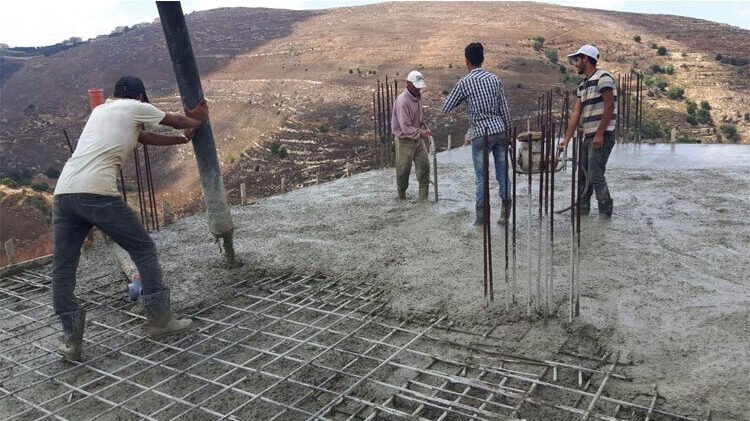
These savings become more obvious in large residential buildings, commercial projects, basements, retaining walls, and other structures with large wall areas. The larger the surface area, the more valuable accurate forming becomes.
6. A Smarter Way to Control Finishing Quality
For many years, construction teams have accepted thick plastering as a normal part of wall finishing. But in many cases, heavy plastering is not a finishing requirement; it is a correction cost caused by poor formwork performance.
PLASGRAND reusable plastic formwork offers a smarter approach. By creating a flatter and cleaner concrete surface from the beginning, it reduces the need for later repair. This improves quality control, lowers material waste, and helps contractors deliver more consistent wall finishes.
Good construction is not only about fixing problems after they appear. It is about preventing them at the earliest stage. When the formwork surface is stable, smooth, and reusable, the finished concrete wall starts closer to the required standard. That is the real advantage of PLASGRAND reusable plastic formwork from PG FORMWORK: it saves work before the finishing work even begins.